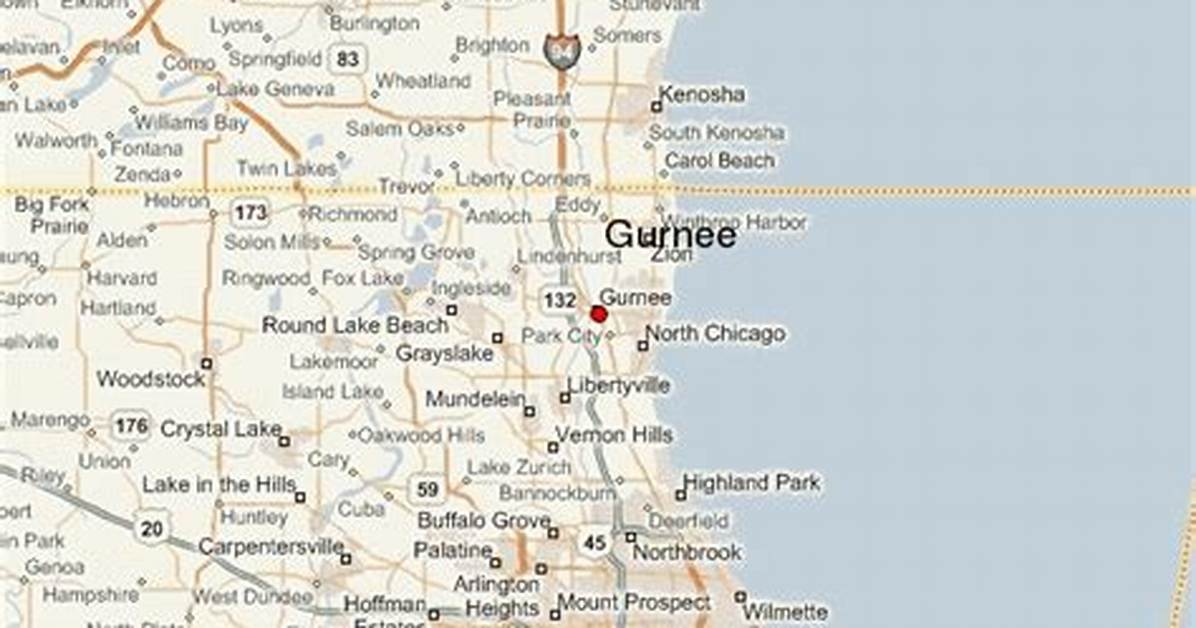
When it comes to understanding Gurnee IL weather, there’s a lot to consider. This guide aims to provide you with an in-depth look at the climate, seasonal variations, and what you can expect throughout the year in Gurnee, Illinois. Whether you're a resident, a visitor, or someone considering a move to this vibrant community, having accurate information about the weather is essential for planning your activities and ensuring your comfort.
Gurnee is known for its diverse weather patterns, which can greatly influence daily life and recreational opportunities. The combination of humid continental climate and proximity to Lake Michigan results in varying conditions that can shift rapidly. Understanding these climatic factors can help you prepare for both warm summers and cold winters.
This article will cover everything from temperature ranges and precipitation to the best times to visit Gurnee based on weather conditions. Armed with this knowledge, you can make informed decisions whether you're planning a trip to the popular Six Flags Great America or enjoying the beautiful parks and outdoor spaces that Gurnee has to offer.
Climate Overview
The climate in Gurnee, Illinois, is classified as humid continental, characterized by four distinct seasons. This means that residents and visitors can experience cold winters, warm summers, and everything in between. The influence of Lake Michigan can moderate temperatures, but it can also lead to fluctuating weather patterns.
According to the National Oceanic and Atmospheric Administration (NOAA), Gurnee experiences average temperatures ranging from around 20°F in winter to 80°F in summer. Understanding these climate characteristics is vital for anyone planning to spend time in the area.
Temperature Ranges Throughout the Year
Winter Temperatures
Winter in Gurnee typically lasts from December to February, with average low temperatures around 15°F to 25°F. Snowfall is common during this time, with an average of 38 inches annually.
Spring Temperatures
Spring sees a gradual warming trend, with average temperatures ranging from the mid-30s°F in March to the low 70s°F by May. This is a great time for outdoor activities as the weather begins to stabilize.
Summer Temperatures
Summer months (June to August) are warm and humid, with average high temperatures reaching 80°F to 85°F. Thunderstorms can occur, particularly in July and August, so visitors should be prepared for sudden weather changes.
Fall Temperatures
Fall brings cooler temperatures, with averages dropping from the mid-70s°F in September to the low 30s°F by November. The changing leaves can create picturesque views, making it a lovely time to explore the area.

