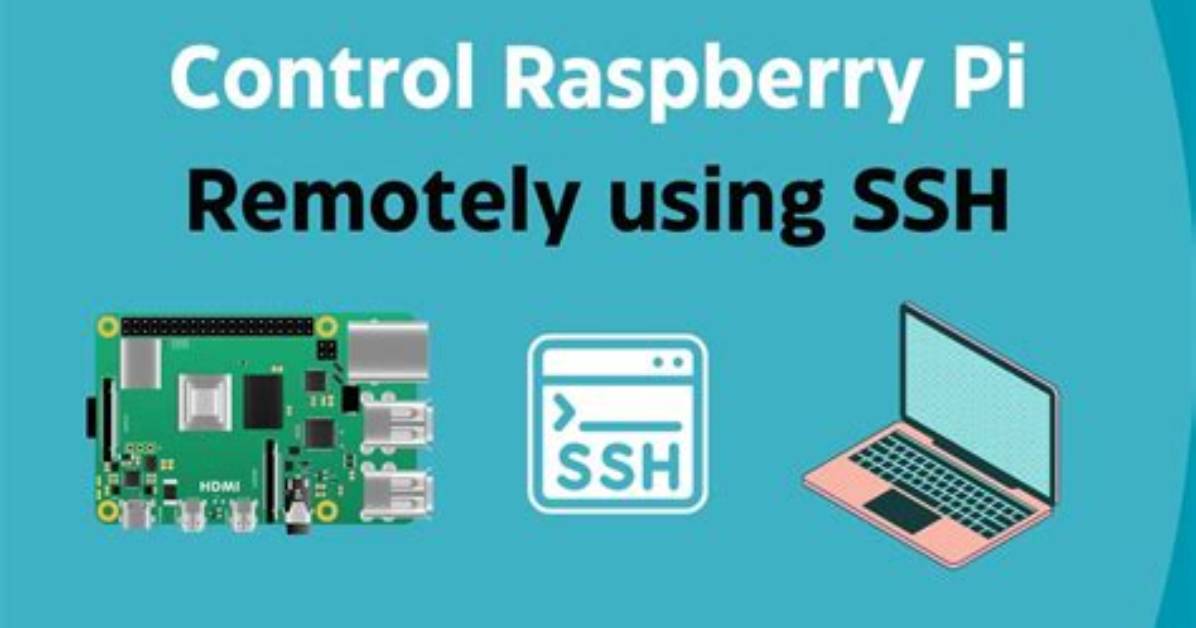
Connecting to your Raspberry Pi remotely over the internet using SSH is a powerful technique that opens up endless possibilities for managing your device from anywhere in the world. Whether you're a developer, hobbyist, or IT professional, this skill can streamline your workflow and enhance your productivity. This guide will walk you through every step of setting up secure remote access to your Raspberry Pi via SSH, ensuring your connection remains stable and protected.
In today's interconnected world, the ability to access your devices remotely is not just convenient but often essential. Whether you're troubleshooting a network issue or managing a server, SSH provides a secure and reliable way to interact with your Raspberry Pi from any location. This article will delve into the nuances of configuring SSH for remote access, offering practical tips and best practices to ensure a seamless experience.
Our goal is to provide you with a comprehensive, step-by-step guide that simplifies the process of setting up remote SSH Raspberry Pi over the Internet. From basic configurations to advanced security measures, we'll cover everything you need to know to achieve a stable and secure connection. Let's dive in!
Introduction to SSH
SSH, or Secure Shell, is a cryptographic network protocol that facilitates secure communication between devices over an unsecured network. It is widely used for remote command-line login and execution, file transfer, and tunneling. SSH ensures data integrity, confidentiality, and authentication, making it the go-to method for secure remote access.
For Raspberry Pi users, SSH enables you to control your device from a remote location without needing physical access. This is particularly useful for headless setups, where the Raspberry Pi operates without a monitor or keyboard. By enabling SSH on your Raspberry Pi, you can manage files, install software, and perform administrative tasks from anywhere in the world.
Why Use SSH for Raspberry Pi?
- Security: SSH encrypts all data transmitted between your device and the Raspberry Pi, protecting it from eavesdropping and unauthorized access.
- Convenience: With SSH, you can manage your Raspberry Pi remotely, eliminating the need for physical access.
- Flexibility: SSH supports a wide range of commands and tools, allowing you to perform complex tasks with ease.
Raspberry Pi Overview
The Raspberry Pi is a credit-card-sized single-board computer developed by the Raspberry Pi Foundation. It has gained immense popularity among hobbyists, educators, and professionals due to its affordability, versatility, and ease of use. Equipped with a powerful processor, GPIO pins, and various connectivity options, the Raspberry Pi can be used for a wide range of applications, from home automation to robotics.
One of the key features of the Raspberry Pi is its ability to run a variety of operating systems, including Raspbian (now Raspberry Pi OS), Ubuntu, and others. This flexibility allows users to customize their setup according to their needs, making it an ideal platform for experimentation and development.
Raspberry Pi Specifications
- Processor: Broadcom BCM2835 or later
- Memory: Varies from 512MB to 8GB depending on the model
- Connectivity: Ethernet, Wi-Fi, Bluetooth
- Storage: MicroSD card

