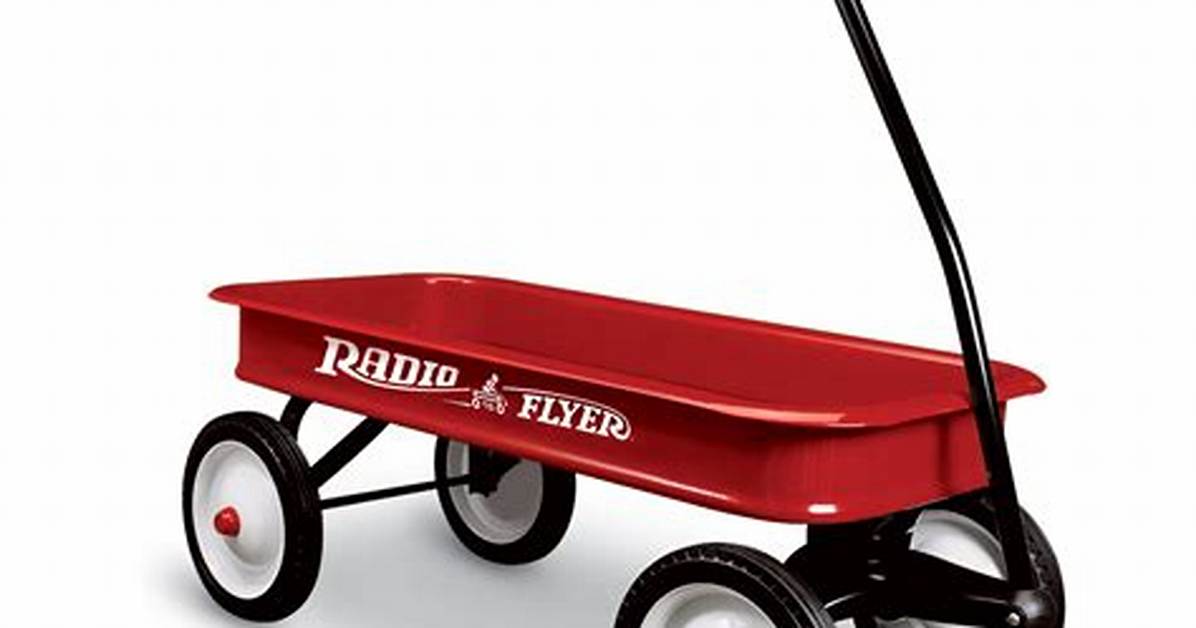
Red wagon evokes feelings of nostalgia and carefree childhood days. These iconic toys have been a staple in many backyards across the world. From hauling toys to adventures in the park, red wagons have been a silent witness to countless memories. In this article, we will explore the history, design, uses, and cultural significance of red wagons. We'll also delve into why they remain a beloved item for children and families alike.
As we dive deeper into the world of red wagons, we will uncover their evolution over the years and how they have adapted to meet the needs of modern families. Our exploration will also include tips on choosing the right red wagon for your child, as well as safety considerations and maintenance advice to ensure it lasts for generations. Join us on this journey through the enchanting world of red wagons, where adventure and imagination know no bounds.
Whether you are a parent looking to purchase a red wagon for your little one, or simply a nostalgic adult reminiscing about your own childhood experiences, this article will provide valuable insights and information. Let’s embark on this adventure together!
1. History of the Red Wagon
The history of the red wagon dates back to the early 20th century. The first red wagon was introduced by the Liberty Coaster Company in 1917. It was designed as a simple yet durable toy for children, made from wood and featuring metal wheels. The design was practical and allowed children to transport their toys and treasures with ease.
Over the years, the red wagon has undergone various transformations. In the 1930s, the Radio Flyer Company gained popularity by introducing the iconic red wagon design we know today. They incorporated a steel body and added a distinct red color, making it a symbol of childhood adventure. As a result, Radio Flyer became synonymous with red wagons.
Today, red wagons are manufactured by various companies, but Radio Flyer remains the most recognized name. The timeless design continues to capture the hearts of children and adults alike, making it a staple in homes across the globe.
2. Design and Features
Modern red wagons come in various designs and features to cater to different age groups and needs. Some common design elements include:
- Material: Most red wagons are made from durable steel, plastic, or wood.
- Wheels: Typically equipped with sturdy rubber or plastic wheels for smooth movement.
- Handle: A long handle for easy pulling, often with a comfortable grip.
- Safety Features: Many models include safety features such as seat belts or enclosed sides.
These design elements ensure that red wagons are not only functional but also safe for children to use.
2.1 Different Types of Red Wagons
There are several types of red wagons available on the market today, including:
- Classic Red Wagons: The traditional design with a steel body and wooden slats.
- Convertible Wagons: These can be transformed into seating areas or canopies.
- All-Terrain Wagons: Equipped with larger wheels for navigating rough terrains.
- Garden Wagons: Designed for carrying gardening tools and supplies.

