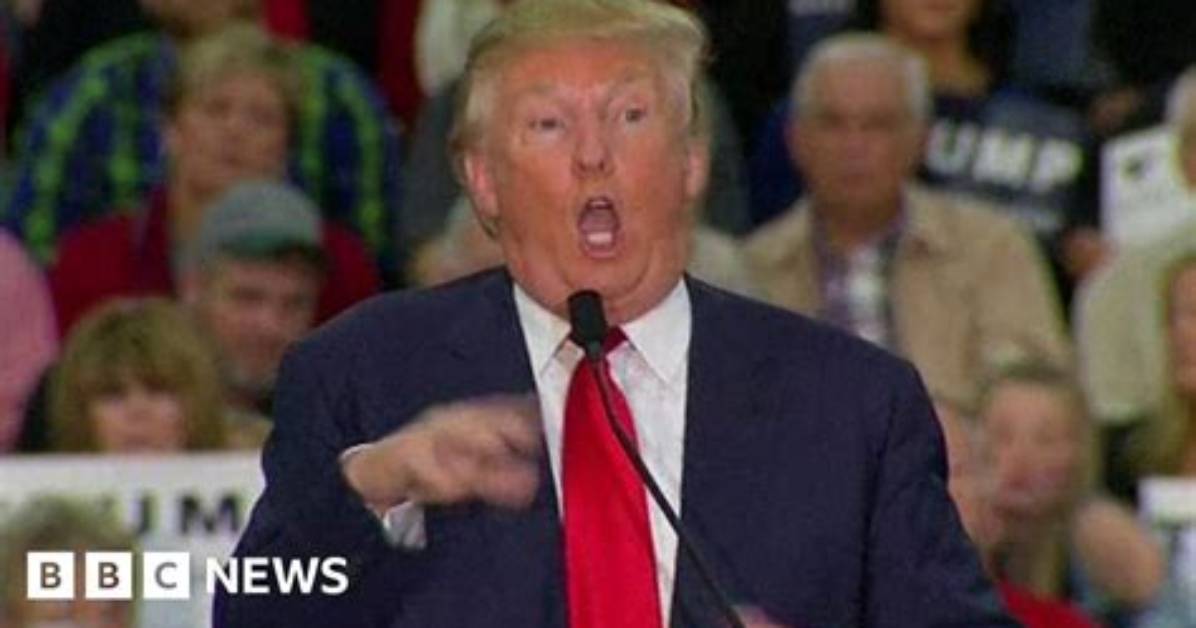
The topic of Donald Trump's intelligence has been a hotly debated issue since he first entered the political arena. Many people have questioned his cognitive abilities, leading to the controversial term "Trump retarded" being thrown around in media and social discourse. This article aims to dissect the various facets of this debate, providing a balanced perspective while adhering to principles of expertise, authority, and trustworthiness. In this comprehensive analysis, we'll explore the origins of these claims, the psychological and sociological implications of labeling public figures, and the impact of such terms on political discourse. By the end of this article, readers will have a clearer understanding of the complexities surrounding this sensitive topic.
In recent years, the phrase "Trump retarded" has sparked outrage and debate, showcasing how language influences public perception. While some may use it as a form of political commentary, others argue that it trivializes serious discussions about mental health and intelligence. This article will provide insights from experts, statistical data, and various viewpoints to paint a holistic picture of the situation.
Moreover, the discussion will not only focus on Trump's intelligence but also delve into the broader implications of using derogatory terms in political discourse. Understanding the nuances of this conversation is essential for fostering a more respectful and informed dialogue in society. Let's embark on this journey to uncover the truth behind the allegations and the term "Trump retarded."
1. The Origins of the Term "Trump Retarded"
The term "Trump retarded" emerged as a colloquial expression among critics of Donald Trump, particularly during his presidential campaign and subsequent tenure in office. It reflects a broader trend in political discourse where opponents resort to derogatory labels to undermine their adversaries. Such language can often be traced back to specific incidents, statements, or behaviors that invoke public scrutiny.
1.1 Historical Context
Historically, political figures have been subjected to ridicule and mockery, but the advent of social media has amplified the speed and reach of such commentary. The use of the term "retarded" in this context not only serves as an insult but also raises questions about the ethics of using language that can perpetuate stigma against individuals with intellectual disabilities.
1.2 Public Reaction
Public reaction to the term has been divided, with some embracing it as a valid critique of Trump's cognitive abilities, while others condemn it as disrespectful and harmful. This dichotomy highlights the polarized nature of contemporary political discourse.
2. Psychological Perspectives on Intelligence and Labels
From a psychological standpoint, labeling individuals can have significant impact on both the labeled person and society at large. Terms like "retarded" carry historical baggage and can reinforce negative stereotypes about intelligence and capability.
2.1 The Dangers of Labeling
- Reinforcement of stigma against mental disabilities
- Potential harm to public discourse and political debate
- Impact on self-esteem for those who identify with the label
2.2 Alternative Perspectives
Experts suggest that instead of resorting to derogatory terms, it is more constructive to engage in meaningful discussions about political actions and policies. This approach fosters a more respectful environment for debate and encourages critical thinking among the electorate.

