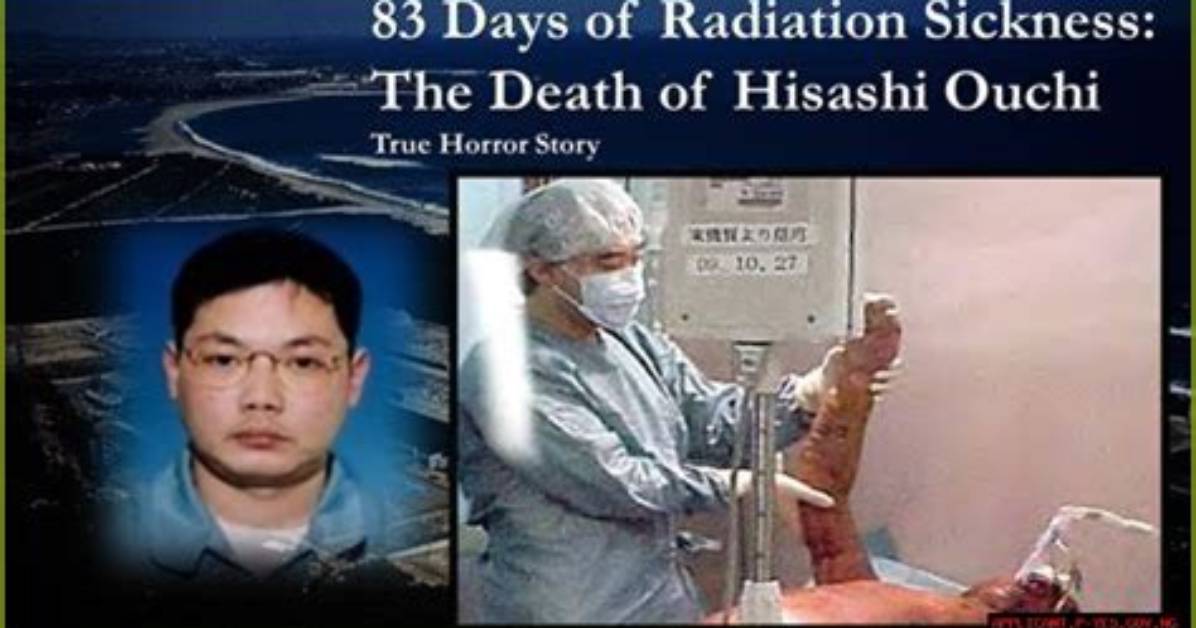
The story of Hisashi Ouchi and his family is a poignant tale that transcends the boundaries of tragedy and resilience. Hisashi Ouchi, a victim of one of the worst nuclear accidents in Japanese history, is a name that resonates with sorrow and caution. The Ouchi family, who stood by him in his darkest hours, faced unimaginable challenges as they navigated through the aftermath of the Tokaimura nuclear disaster in 1999. Their experience not only highlights the personal toll of such catastrophic events but also sheds light on the broader implications of nuclear safety and public health.
As we delve deeper into the Hisashi Ouchi family, we uncover not only the harrowing details of the accident but also the unwavering support system that played a crucial role during this tragic ordeal. The Ouchi family's journey is a testament to human strength and the intricacies of familial bonds in the face of adversity. By exploring this family's story, we can better appreciate the impact of such events on loved ones and society as a whole.
The narrative of the Hisashi Ouchi family is not just about loss; it is also about the resilience and hope that can emerge from the depths of despair. Understanding their experience allows us to reflect on the importance of safety measures in nuclear facilities and the need for stringent regulations to prevent similar tragedies in the future. The legacy of Hisashi Ouchi and his family serves as a powerful reminder of the fragility of life and the enduring spirit of love and support.
Who Was Hisashi Ouchi?
Hisashi Ouchi was a Japanese nuclear worker who became a victim of the Tokaimura nuclear accident, one of the most severe nuclear accidents in history. Ouchi was born on March 29, 1965, and worked at the JCO nuclear facility in Tokaimura, Japan, where he was involved in the reprocessing of uranium. Tragically, during an unsafe procedure in 1999, Ouchi and two of his colleagues were exposed to an immense dose of radiation, leading to severe health complications and eventual death.
What Happened During the Tokaimura Nuclear Accident?
The Tokaimura nuclear accident occurred on September 30, 1999, when workers at the JCO facility improperly mixed a solution containing uranium, resulting in a criticality accident. The accident led to a massive release of radiation, exposing Ouchi and his colleagues to lethal doses. Hisashi Ouchi received approximately 17 sieverts of radiation, far exceeding the lethal threshold, and was hospitalized for 83 days, enduring extensive medical treatment and suffering from severe radiation burns.
What Were the Medical Challenges Faced by Hisashi Ouchi?
Ouchi's medical journey was fraught with difficulties, as he suffered from multiple organ failures, severe skin injuries, and radiation sickness. The medical team worked tirelessly to provide him with the best care possible, but the extent of the radiation damage was overwhelming. Hisashi's family stood by him, facing the emotional and psychological toll of witnessing their loved one endure such pain. Despite the best efforts of the medical staff, Ouchi succumbed to his injuries on December 21, 1999.
What Impact Did the Accident Have on the Ouchi Family?
The impact of the accident on the Hisashi Ouchi family was profound. They not only had to cope with the physical and emotional distress of watching their beloved son and brother suffer, but they also had to contend with the public scrutiny that came with being linked to such a high-profile incident. The family's resilience was tested as they navigated the complexities of grief, anger, and the search for accountability in the aftermath of the disaster.
How Did the Incident Shape Public Perception of Nuclear Safety?
The Tokaimura nuclear accident significantly influenced public opinion regarding nuclear safety in Japan and beyond. The incident raised awareness about the potential dangers of nuclear energy and the importance of strict regulatory oversight. It prompted discussions about safety protocols, emergency responses, and the need for comprehensive training for workers in nuclear facilities. The Ouchi family's experience highlighted the human cost associated with nuclear accidents, leading to increased advocacy for safer practices in the industry.
What Lessons Can Be Learned from the Hisashi Ouchi Family's Experience?
- The importance of stringent safety regulations in nuclear facilities.
- The need for comprehensive training for nuclear workers to prevent accidents.
- The impact of nuclear accidents on families and communities.
- The significance of public awareness and advocacy for nuclear safety.

