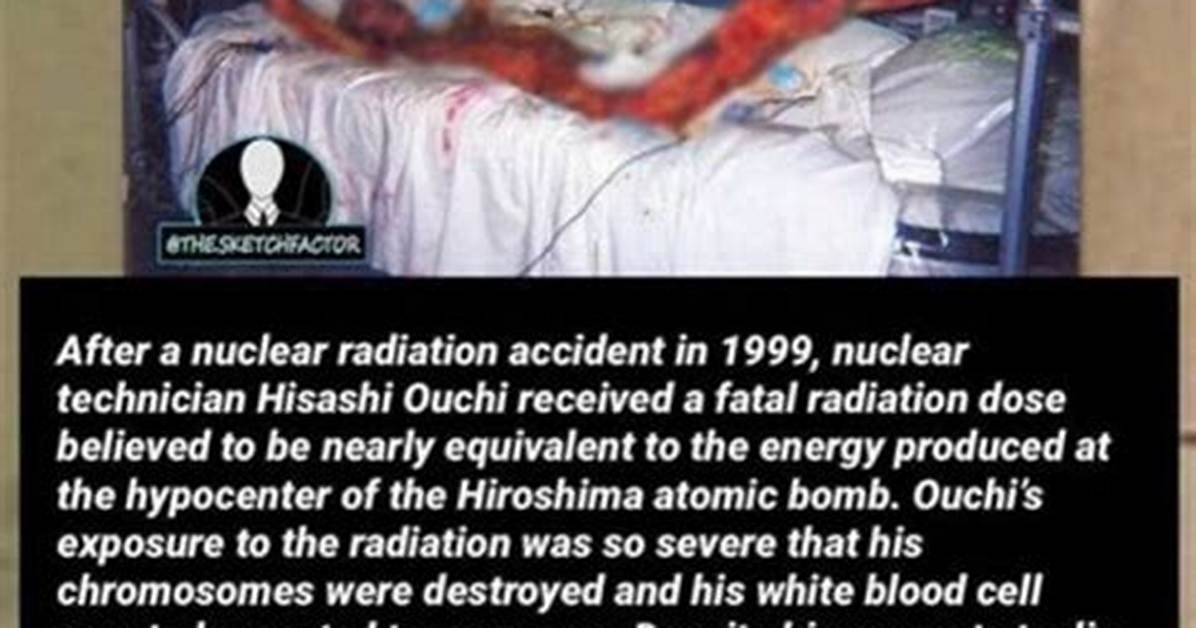
Hisashi Ouchi remains a name synonymous with tragedy and resilience in the annals of history. His story, marked by a catastrophic accident that led to his untimely death, has evoked a myriad of emotions and reflections on the human condition. The images associated with Hisashi Ouchi serve as a poignant reminder of both the fragility of life and the indomitable spirit of those who face dire circumstances. Hisashi's life, though cut short, has left an indelible mark on the collective consciousness, prompting discussions about safety, humanity, and the consequences of industrial mishaps.
As we delve deeper into the realm of Hisashi Ouchi images, we uncover not just the visual representation of a man but also the narrative that surrounds his life and the tragic events that unfolded. These images encapsulate a story of struggle, hope, and the quest for justice, making it imperative to explore them from multiple perspectives. The power of imagery lies in its ability to evoke emotions and provoke thought, and Hisashi Ouchi's images are no exception.
In this article, we aim to provide a comprehensive overview of Hisashi Ouchi's life, the circumstances that led to his story becoming a symbol of caution, and the impact of his images on society. From his biography to the implications of his tragedy, we will navigate through various aspects of his life, shedding light on the significance of the images that have come to represent his legacy.
Who Was Hisashi Ouchi?
Hisashi Ouchi was a Japanese nuclear plant worker who became a symbol of industrial tragedy after a catastrophic accident in 1999 at the Tokaimura nuclear facility in Japan. He was exposed to lethal levels of radiation due to a criticality accident, which ultimately led to his death. Ouchi's case highlighted the risks associated with nuclear power and the need for stringent safety measures in the industry.
What Led to Hisashi Ouchi's Tragic Accident?
The incident that led to Hisashi Ouchi's suffering began when workers at the Tokaimura facility improperly handled uranium, resulting in a criticality accident that released a significant amount of radiation. Ouchi was one of the workers caught in the disaster, and despite immediate medical intervention, the extent of his injuries was catastrophic.
What Were the Consequences of the Accident?
The consequences of Hisashi Ouchi's accident were profound, not just for him but for the entire nuclear industry in Japan. The incident raised questions about safety protocols, worker training, and the overall management of nuclear facilities. Additionally, Ouchi's suffering during his prolonged hospitalization became a focal point for discussions on ethical medical treatment and the responsibilities of employers towards their workers.
What Do Hisashi Ouchi's Images Represent?
The images of Hisashi Ouchi serve multiple purposes. They are not only a visual record of a man who endured unimaginable pain but also a powerful reminder of the consequences of negligence in industrial settings. These images evoke empathy and awareness, prompting viewers to reflect on the importance of safety measures in workplaces and the human cost of industrial disasters.
How Did Hisashi Ouchi's Story Impact Public Perception of Nuclear Energy?
The narrative surrounding Hisashi Ouchi significantly influenced public perception of nuclear energy and safety regulations in Japan. Following the incident, there was a marked increase in scrutiny regarding nuclear facilities and their operational protocols. Ouchi's story became a rallying point for advocates calling for improved safety measures and greater transparency in the nuclear industry.
What Lessons Can Be Learned from Hisashi Ouchi's Experience?
Hisashi Ouchi's tragic experience offers several crucial lessons for both the nuclear industry and society at large. Key takeaways include:
- The paramount importance of rigorous safety protocols in hazardous work environments.
- The need for comprehensive training and education for workers handling dangerous materials.
- The ethical responsibility of employers to prioritize the health and safety of their employees.
- The significance of public awareness and advocacy for better safety standards in industrial settings.

